
Estimated reading time: 4 minutes
Email marketing continues to be one of the most reliable digital channels in 2025, but the way it works is changing. Privacy protections, evolving inbox technology, and shifting consumer expectations are reshaping how marketers plan and measure campaigns. Simply sending more emails or relying on traditional metrics is no longer effective. Today’s successful email strategies focus on relevance, trust, and usability. Understanding the key email marketing trends shaping 2025 helps marketers adapt and stay competitive.
Privacy Changes Continue to Shape Email Marketing
Privacy remains one of the most influential forces affecting email marketing in 2025. Features like Apple Mail Privacy Protection limit the accuracy of open tracking and reduce visibility into subscriber behavior. As a result, marketers must rethink how they collect data and measure performance. Transparency around data usage is increasingly important to subscribers. Brands that respect privacy and communicate clearly build stronger trust. Privacy-first strategies are becoming a core component of sustainable email marketing.
Open Rates Are No Longer a Reliable Standalone Metric
In 2025, open rates are widely recognized as an unreliable indicator of email performance. Privacy features can inflate opens or mask true engagement, making the metric misleading on its own. Marketers are shifting focus to clicks, conversions, and engagement trends over time. Metrics tied directly to action provide more meaningful insight. This shift encourages smarter analysis and better optimization decisions. Measuring what matters helps improve long-term results.
Segmentation and Personalization Become More Strategic
Basic list segmentation is no longer enough in today’s email environment. In 2025, effective personalization focuses on behavior, preferences, and lifecycle stage rather than surface-level details. Marketers use engagement history to tailor messaging and reduce fatigue. Sending fewer, more relevant emails often outperforms high-volume approaches. Personalization is about delivering value, not novelty. Strategic targeting improves both engagement and deliverability.

Mobile-First Email Design Is the Standard
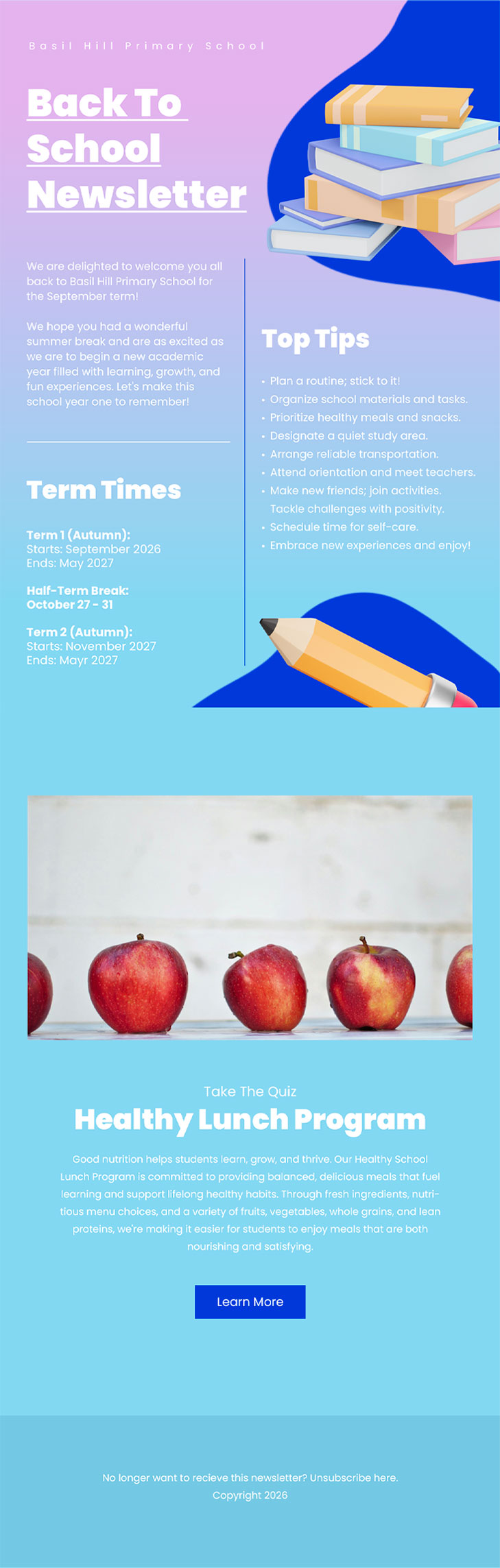
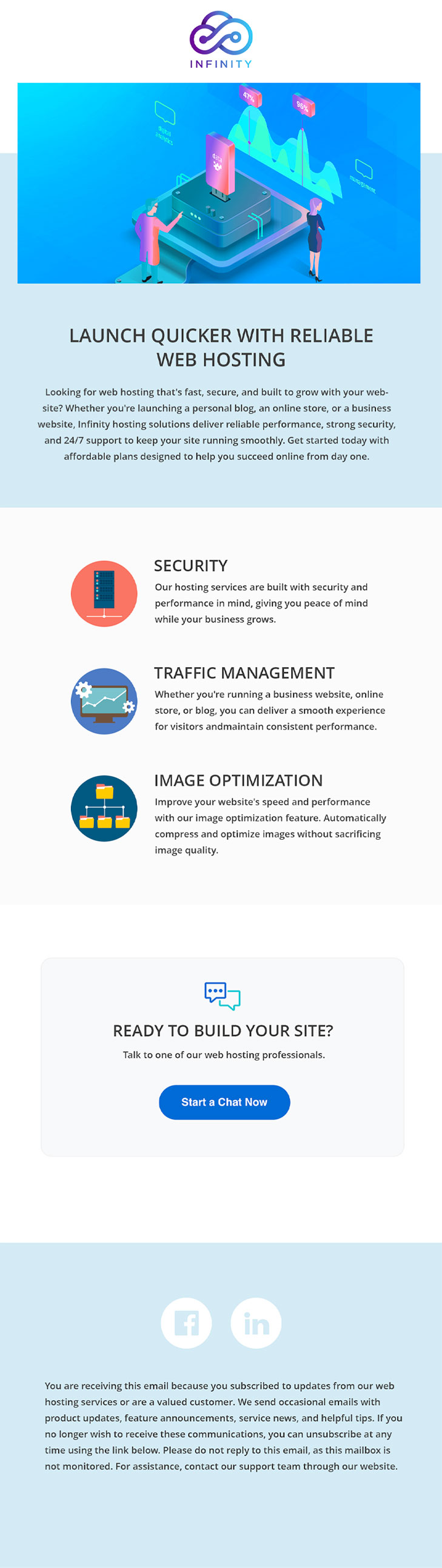
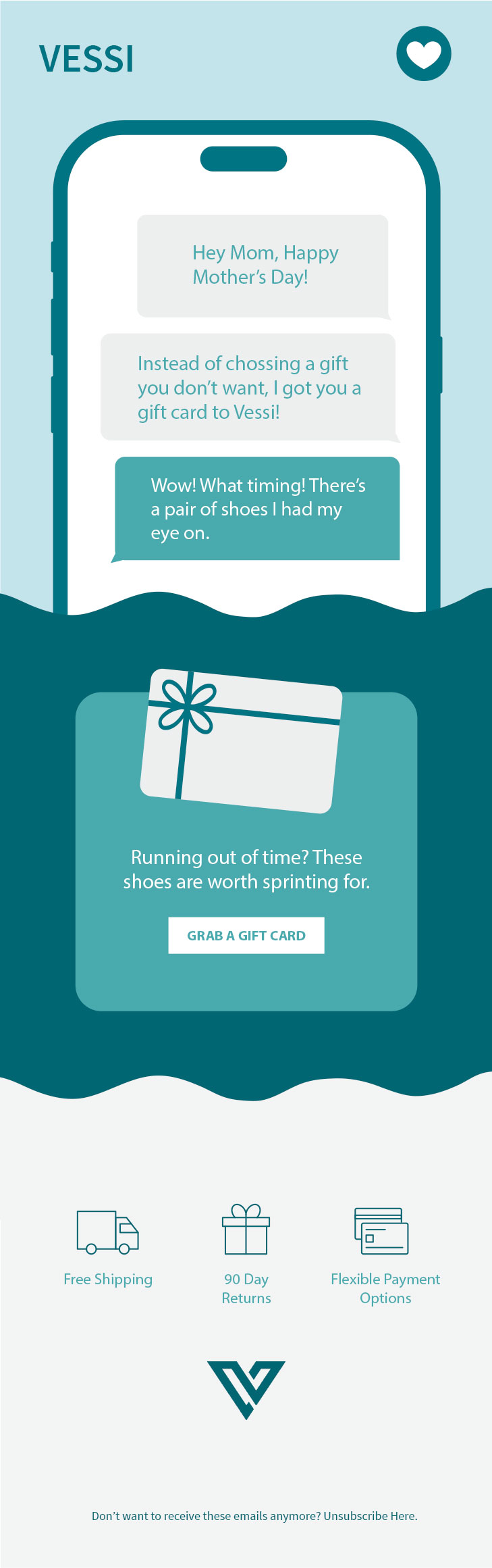
Mobile devices continue to dominate email opens in 2025, making mobile-first design essential. Emails must load quickly, display cleanly, and be easy to scan on small screens. Simple layouts, readable fonts, and clear calls to action improve usability. Poor mobile experiences lead to quick disengagement. Accessibility considerations, such as contrast and legible text, also gain importance. Mobile-friendly design supports both engagement and retention.
Deliverability and Sender Reputation Take Center Stage
Inbox providers are more sophisticated than ever in 2025, placing increased emphasis on sender reputation and engagement signals. Consistent sending patterns, clean lists, and relevant content play a major role in inbox placement. Deliverability is no longer just a technical concern-it’s a strategic one. Marketers pay closer attention to how and when emails are sent. Protecting sender reputation becomes an ongoing priority. Strong deliverability supports every other aspect of email marketing success.
Automation Focuses on Relevance, Not Volume
Email automation in 2025 prioritizes relevance and timing over frequency. Triggered and behavior-based emails outperform generic scheduled campaigns. Welcome series, lifecycle messaging, and re-engagement flows are increasingly refined. Automation helps deliver messages when they are most useful to the subscriber. This approach reduces fatigue while improving engagement. Smarter automation creates better subscriber experiences.
Trust and Value Drive Long-Term Engagement
As inboxes grow more crowded, trust becomes a key differentiator in 2025. Subscribers expect consistent value, honest messaging, and predictable communication. Over-sending or using misleading tactics quickly erodes engagement. Brands that respect attention and provide meaningful content build stronger relationships. Trust-driven strategies support both engagement and deliverability. Value-focused messaging keeps audiences subscribed and responsive.
Email marketing in 2025 requires a thoughtful, strategic approach that adapts to ongoing industry changes. Privacy considerations, evolving metrics, and rising expectations shape how campaigns are created and evaluated. Marketers who focus on relevance, trust, and usability continue to see strong results. While the tools and technology evolve, the core principle remains the same: deliver meaningful messages that respect the recipient. These trends define how email marketing operates in 2025 and set the stage for future innovation.