Estimated reading time: 4 minutes
Text message marketing continues to grow in importance in 2026 as consumers demand faster, more direct communication from brands. With open rates that far exceed email and social media, SMS has become a powerful engagement channel—but also one that requires greater responsibility and precision. Regulations, carrier policies, and consumer expectations are shaping how businesses can use text messaging effectively. Gone are the days of casual or excessive SMS blasts. In 2026, successful text message marketing is intentional, compliant, and customer-centric.
Permission-Based Marketing Is More Critical Than Ever
In 2026, explicit consent is the foundation of all effective SMS marketing strategies. Carriers and regulators are enforcing stricter rules around opt-ins, disclosures, and message transparency. Consumers are also more aware of their rights and quicker to opt out when messages feel intrusive. Brands that clearly communicate what subscribers are signing up for build stronger trust from the start. Permission-based messaging is no longer just about compliance—it’s about protecting brand reputation. Respecting consent directly impacts deliverability and long-term engagement.
Conversational Messaging Is Replacing One-Way Blasts
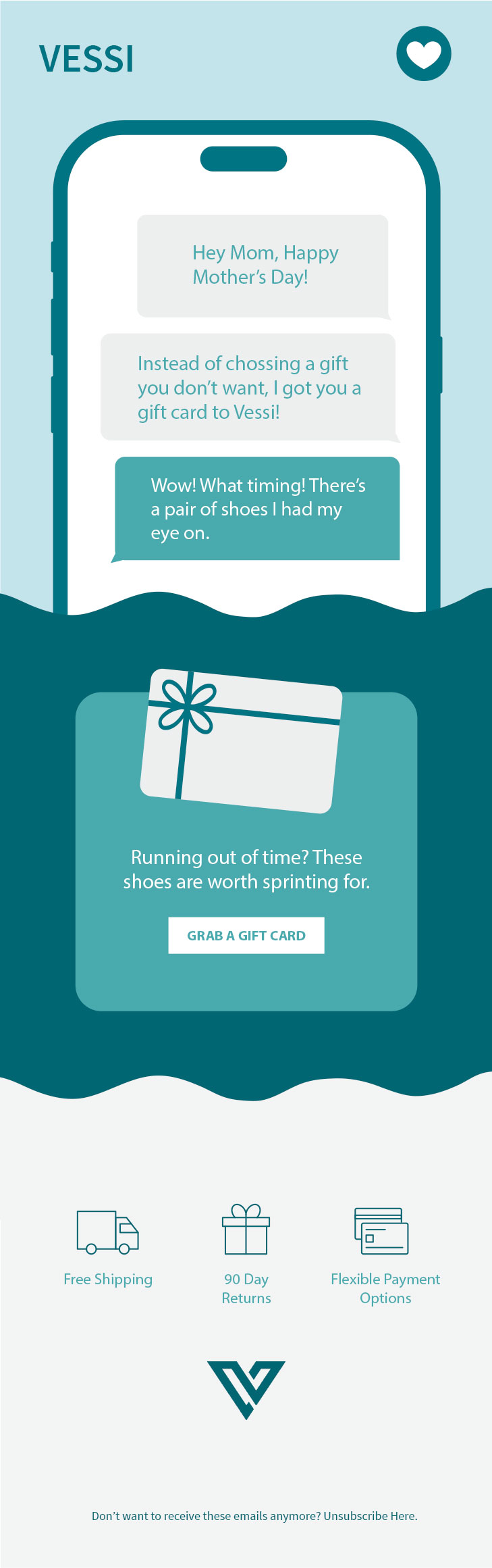
Text message marketing in 2026 is increasingly conversational rather than transactional. Consumers expect the ability to reply, ask questions, and receive timely responses. Two-way SMS creates a more human experience and strengthens customer relationships. Automated responses can handle common interactions, while live agents step in when needed. This shift turns SMS from a broadcast channel into a dialogue. Brands that embrace conversation see higher engagement and satisfaction.
AI-Powered Timing and Personalization
Artificial intelligence plays a growing role in SMS marketing by optimizing both timing and content. AI tools analyze user behavior to determine when subscribers are most likely to engage with a message. Personalization now extends beyond names to include preferences, location, and past interactions. Predictive messaging reduces over-sending while increasing relevance. In 2026, sending fewer but smarter messages outperforms high-volume strategies. AI helps brands strike the right balance between visibility and intrusion.
Compliance and Carrier Filtering Shape Message Delivery
Carrier filtering has become more sophisticated, making compliance essential for message delivery. In 2026, carriers actively monitor content patterns, sending behavior, and complaint rates. Messages that appear misleading, repetitive, or aggressive are more likely to be blocked. Registration requirements for application-to-person (A2P) messaging continue to evolve. Brands must align messaging practices with carrier guidelines to maintain throughput and deliverability. Compliance is no longer behind-the-scenes—it directly affects performance.
SMS Is Becoming Part of a Larger Omnichannel Strategy
Text message marketing in 2026 works best when integrated with other channels such as email, push notifications, and customer support systems. SMS is increasingly used for timely alerts, reminders, confirmations, and high-priority messages. It complements email rather than replaces it. Coordinated messaging prevents fatigue and reinforces brand consistency. Omnichannel strategies ensure that SMS adds value instead of noise. Integration improves both customer experience and campaign effectiveness.
Rich Messaging and Enhanced User Experiences
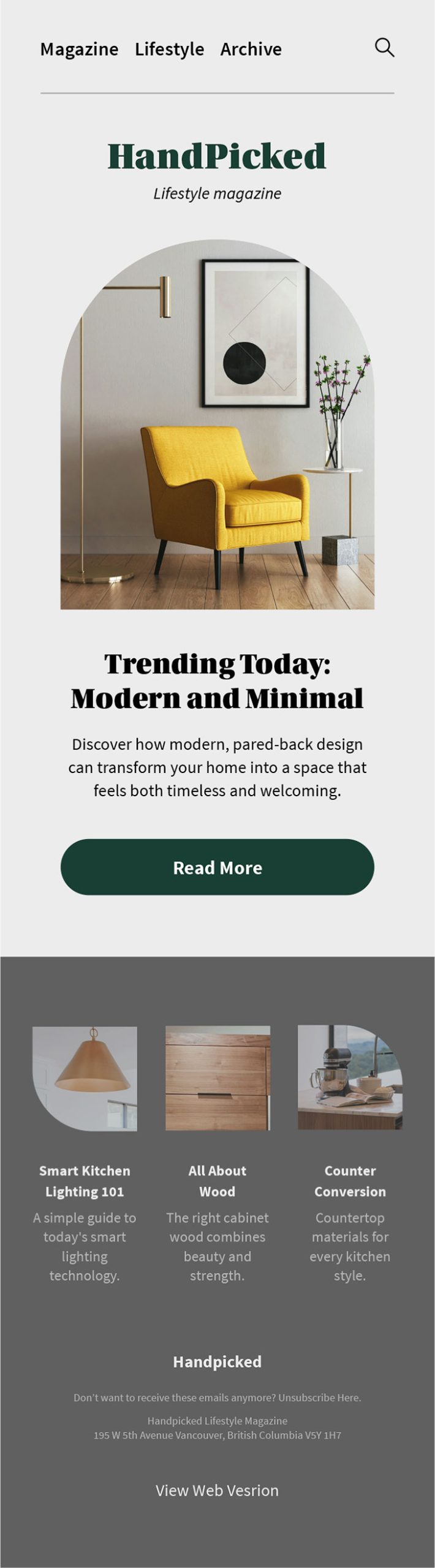
Rich messaging formats are gaining traction as device support expands. Features such as branded links, quick-reply buttons, and rich media previews improve engagement without overwhelming users. These enhancements allow brands to deliver clearer calls to action while maintaining simplicity. However, restraint remains important—rich content should enhance clarity, not distract. In 2026, successful SMS campaigns balance brevity with functionality. User experience remains the top priority.
Measuring Success Beyond Clicks and Opt-Outs
SMS metrics in 2026 go beyond basic delivery and click rates. Brands are focusing on response rates, conversion impact, and customer lifetime value. Engagement quality matters more than volume. Opt-out trends are monitored closely as indicators of message relevance. Data-driven optimization helps refine frequency and messaging strategy. Measuring what truly matters ensures sustainable growth.
Text message marketing in 2026 is more powerful—and more regulated—than ever before. Success depends on permission, relevance, compliance, and thoughtful integration with other channels. AI-driven personalization, conversational messaging, and omnichannel coordination are shaping the future of SMS. Brands that respect consumer attention and prioritize value will continue to see strong results. When used responsibly, text message marketing remains one of the most effective ways to reach customers in real time.