
Estimated reading time: 4 minutes
In an age where inboxes are flooded with promotions, newsletters, and alerts, standing out requires more than just showing up. It demands a well-crafted combination of design and copy that work in harmony to capture attention, deliver value, and drive action. Yet many marketers treat these two disciplines – design and writing – as separate silos. That’s a mistake.
Today’s audiences are not only savvy, but also selective. They skim rather than read, especially on mobile. They delete emails in seconds if nothing grabs their attention. That’s why successful email marketing is built on clarity, simplicity, and usability. Design and copy must be intentionally aligned to support the same goal: engagement. When done right, the results speak for themselves – more opens, more clicks, and stronger customer relationships.
This article outlines essential email design and copywriting best practices that help your emails not only look good, but actually perform.
Why Simplicity Wins in Email Design
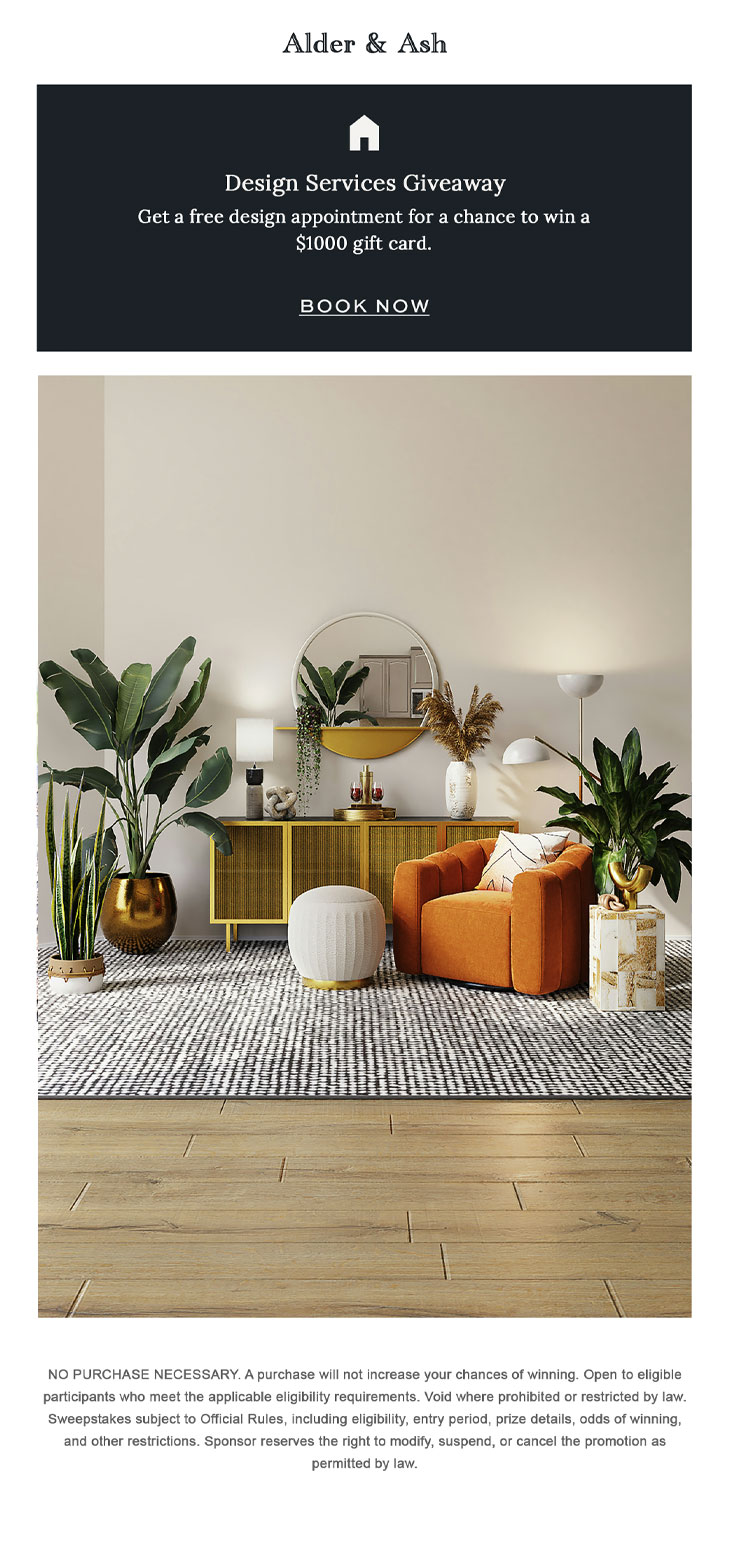
Overly complex email layouts can overwhelm readers and cause them to disengage almost immediately. When an email contains too many columns, fonts, colors, or competing visual elements, readers don’t know where to look first. That confusion leads to frustration – and quick exits.
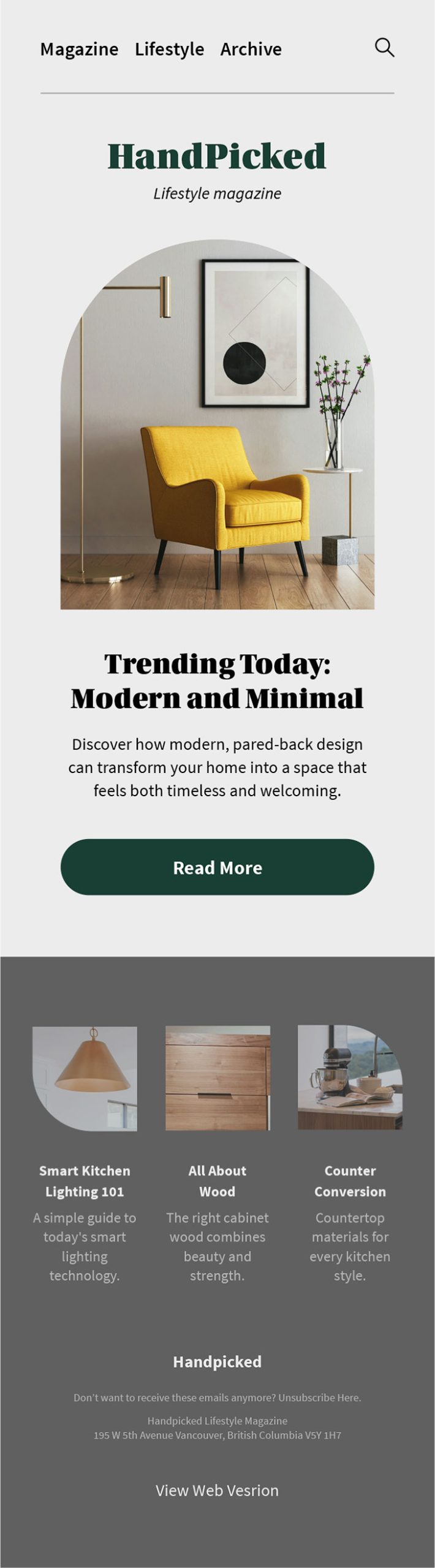
Simple designs improve readability by creating a clear visual hierarchy that guides the eye naturally from headline to message to call to action. Clean spacing, consistent formatting, and intentional use of white space help readers absorb information quickly and with ease. Mobile-first design is especially important, as most emails are opened on phones where cluttered layouts break easily or become unreadable.
Simplicity isn’t about being boring – it’s about being intentional. Every element should serve a purpose. When readers can quickly grasp your message, they’re more likely to stay engaged and take action.
The Importance of Live Text Over Images
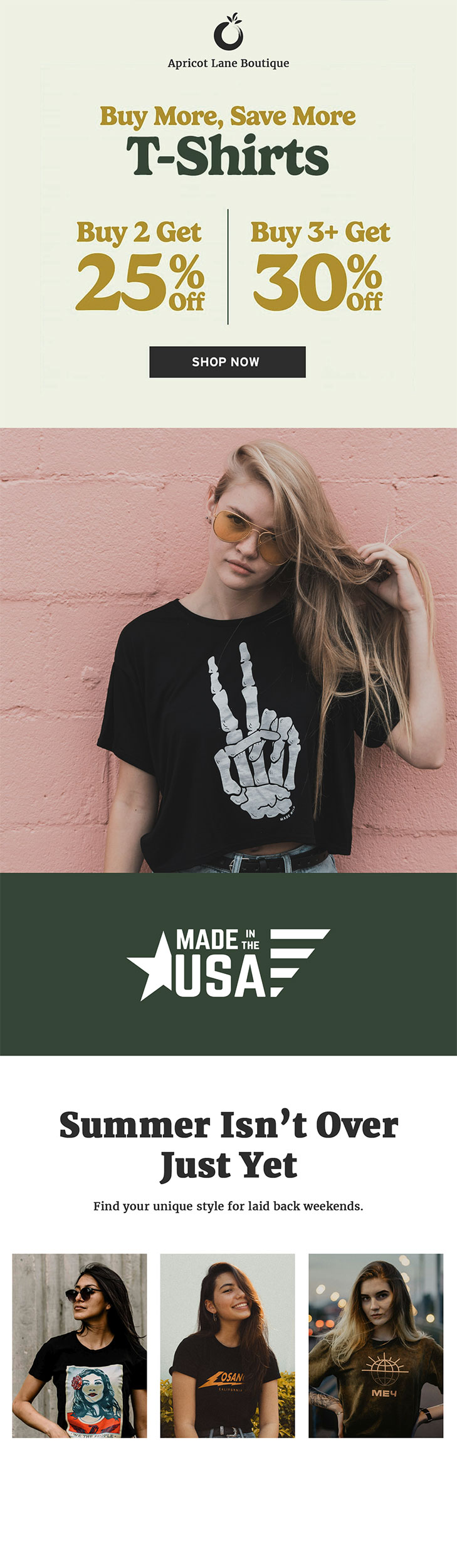
Live text refers to the words coded directly into your email using HTML – not text that’s baked into an image. It may seem like a small difference, but it’s a big deal when it comes to accessibility, readability, and deliverability.
Because it’s real, selectable text, email clients can read, resize, and render it properly across all devices. Live text automatically adjusts for dark mode and supports accessibility tools like screen readers and font size preferences. It also ensures that your message stays visible even when images are turned off – which is surprisingly common in many email apps.
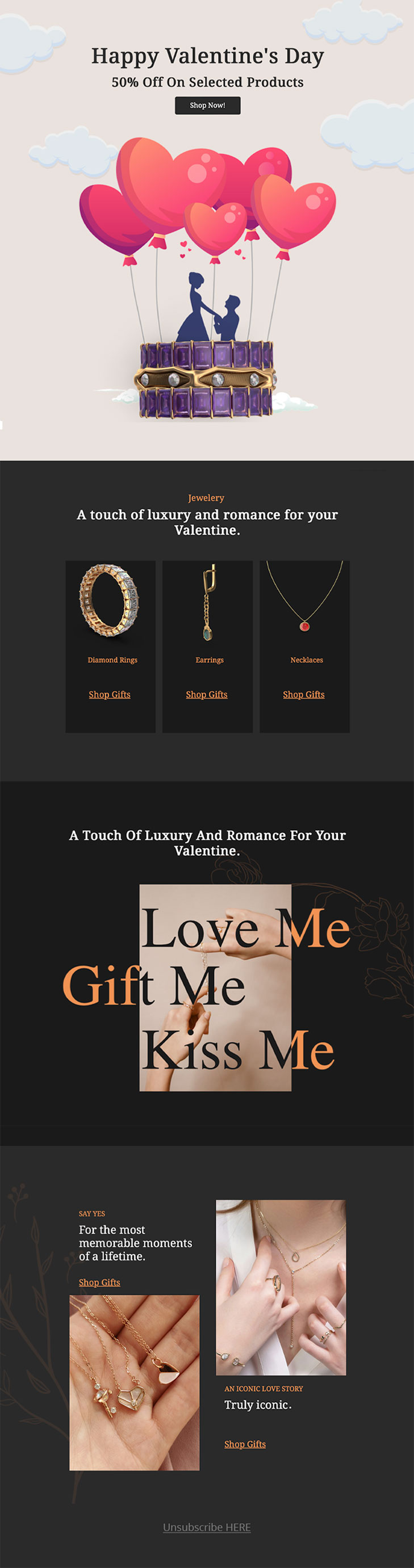
From a deliverability perspective, live text helps spam filters understand the content and intent of your email. Relying too heavily on images can trigger spam warnings or result in empty-looking messages when images are blocked. A smart email uses images to support the message – not deliver it.

Writing Copy That Encourages Action
Copy is where your value proposition lives. It’s the part of the email that explains why the reader should care – and what they should do next. If the copy is confusing, bloated, or generic, you lose people fast.
Subject lines should communicate value clearly and set honest expectations about what’s inside. Once opened, body copy should be short, punchy, and conversational, written in a tone that feels human – not robotic or overly salesy. People read emails from people. Make yours feel personal.
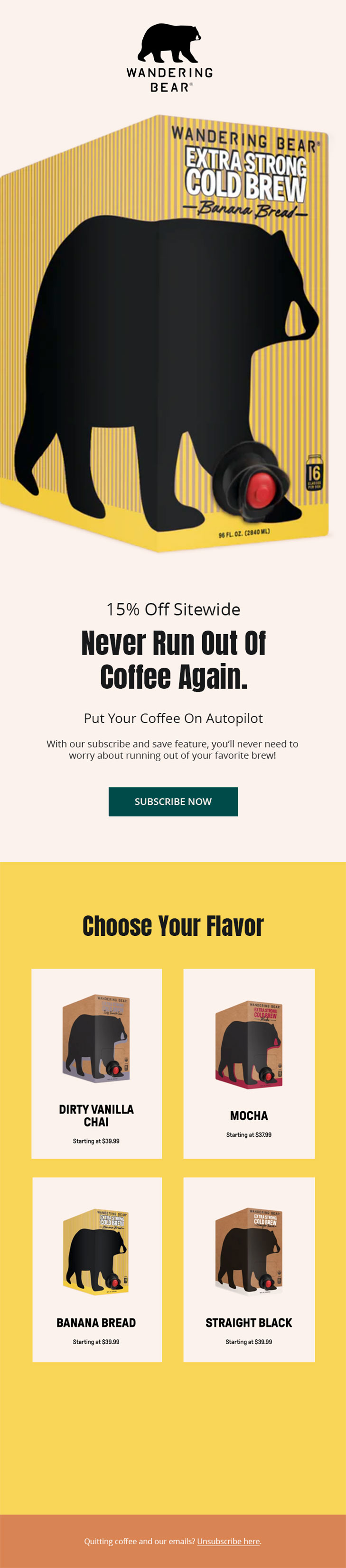
A strong call to action (CTA) is the cherry on top. Whether it’s a button or a hyperlinked phrase, the CTA should stand out visually and offer a clear benefit: Shop Now, Download the Guide, Schedule a Demo, etc. Give your reader one logical next step, and make it easy to take.
Designing for Scanning, Not Reading
Let’s be real – most of us don’t read emails word-for-word. We scan. That’s why smart marketers design emails that deliver value at a glance. Clear headings, short paragraphs, bullet points, and bolded keywords make it easy for readers to spot what’s important.
Visual cues like buttons, icons, dividers, and whitespace can help guide the reader’s eye through the content in a logical flow. Avoid dense blocks of text, especially on mobile, where they feel like walls. Instead, embrace layouts that “breathe.”
When you make your emails easy to scan, you increase the chances that even the busiest reader will get your message – and take action.
Combine Design and Copy for Maximum Impact
Effective email marketing isn’t just about what you say – it’s also about how you present it. When design and copy support each other, your emails become clearer, more engaging, and more effective. You guide the reader effortlessly from subject line to call to action, delivering value every step of the way.
By following these best practices – keeping designs simple, using live text, writing with purpose, and designing for scanning – you’ll create emails that work beautifully across devices and audiences. In a world of digital noise, clarity is your competitive edge.
So before you send your next campaign, take a moment to align your design and your message. Your subscribers – and your metrics – will thank you.