
Estimated reading time: 3 minutes
Modern marketing strategies rely heavily on data to deliver more personalized experiences. One of the most effective ways to use this data is through segmentation, which divides audiences into smaller groups based on shared characteristics. Hyper-segmentation takes this concept further by creating highly specific audience segments. This approach allows marketers to deliver messages that are extremely relevant to each group.
By understanding the unique needs and preferences of different segments, businesses can craft campaigns that resonate more strongly with their audience. Hyper-segmentation improves engagement by ensuring that customers receive messages that feel tailored specifically for them.
Understanding Hyper-Segmentation
Hyper-segmentation involves dividing audiences into very detailed groups based on demographics, behavior, purchase history, and interests. These smaller segments allow marketers to deliver highly targeted content that addresses the specific needs of each group. Instead of sending the same message to everyone, businesses can create customized campaigns for each segment.
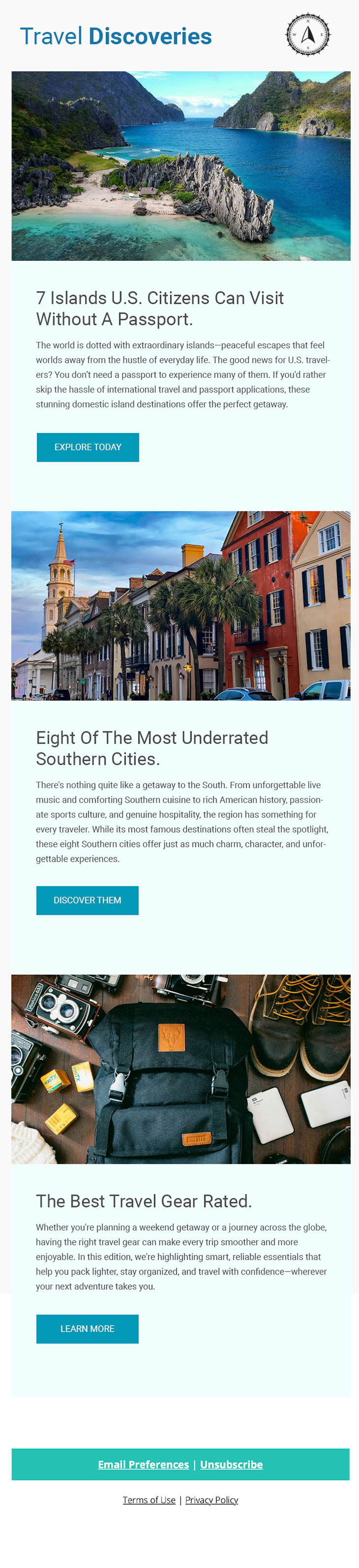
For example, a travel company might create segments based on preferred travel destinations. One group may receive offers for adventure travel experiences, while another receives luxury vacation promotions. This level of targeting makes marketing messages feel more relevant and valuable.
Improving Campaign Efficiency
Targeted campaigns often perform better because they speak directly to the interests of the audience. When customers receive content that aligns with their preferences, they are more likely to engage with it. Hyper-segmentation helps businesses avoid sending irrelevant messages that may lead to unsubscribes or disengagement.
Additionally, hyper-segmentation allows marketers to use their resources more efficiently. Instead of creating broad campaigns that attempt to appeal to everyone, businesses can focus on delivering meaningful messages to specific groups. This targeted approach improves overall marketing performance.

Strengthening Customer Relationships
Delivering relevant content consistently helps build stronger relationships with customers. When subscribers receive messages that reflect their interests, they are more likely to feel understood and valued. This sense of personalization can increase loyalty and encourage repeat engagement.
Hyper-segmentation also provides opportunities for more meaningful interactions. By understanding the specific preferences of each segment, businesses can create campaigns that feel more personal and helpful. These experiences help strengthen long-term customer relationships.
Hyper-segmentation allows businesses to deliver highly targeted marketing campaigns that resonate with specific audience groups. By analyzing customer data and creating detailed segments, marketers can craft messages that feel more relevant and personalized. This approach leads to stronger engagement and improved marketing performance.
As data-driven marketing continues to evolve, hyper-segmentation will play an increasingly important role in campaign success. Businesses that adopt this strategy can deliver more meaningful experiences and build stronger connections with their audience.