Estimated reading time: 4 minutes
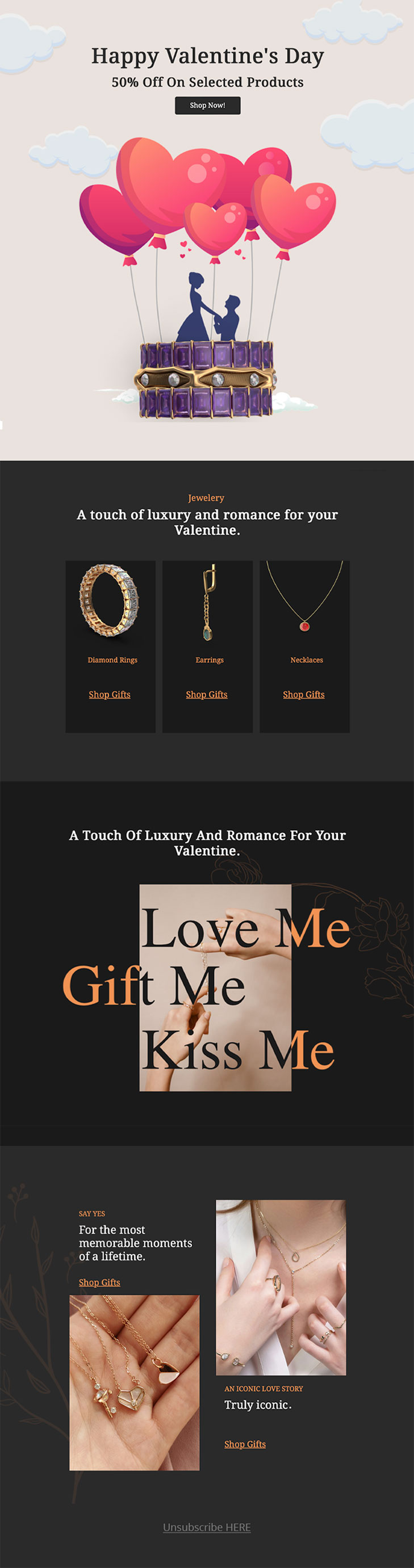
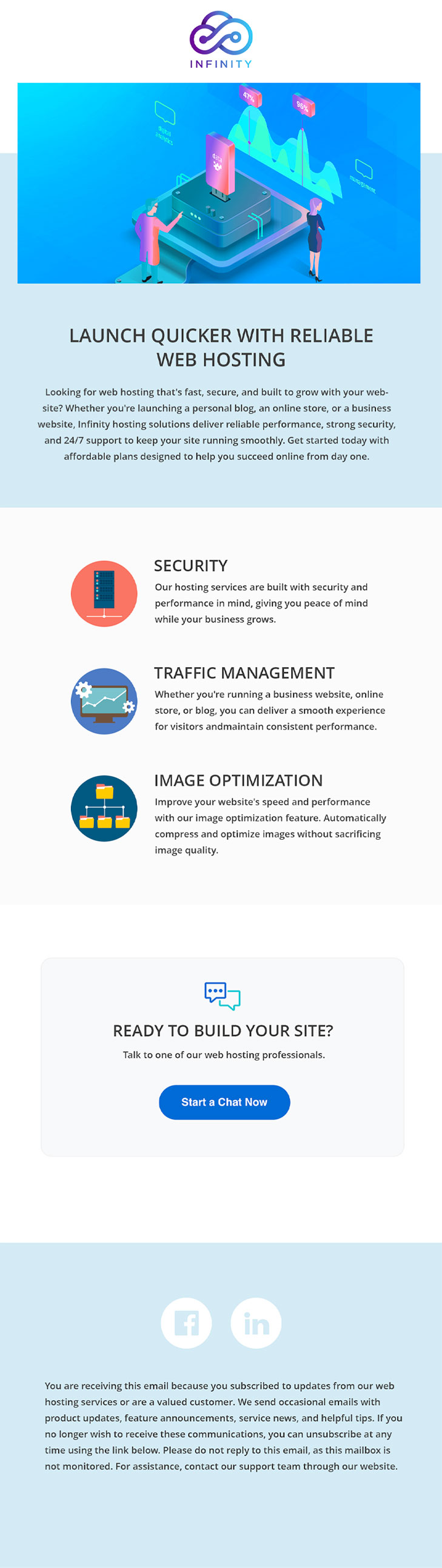
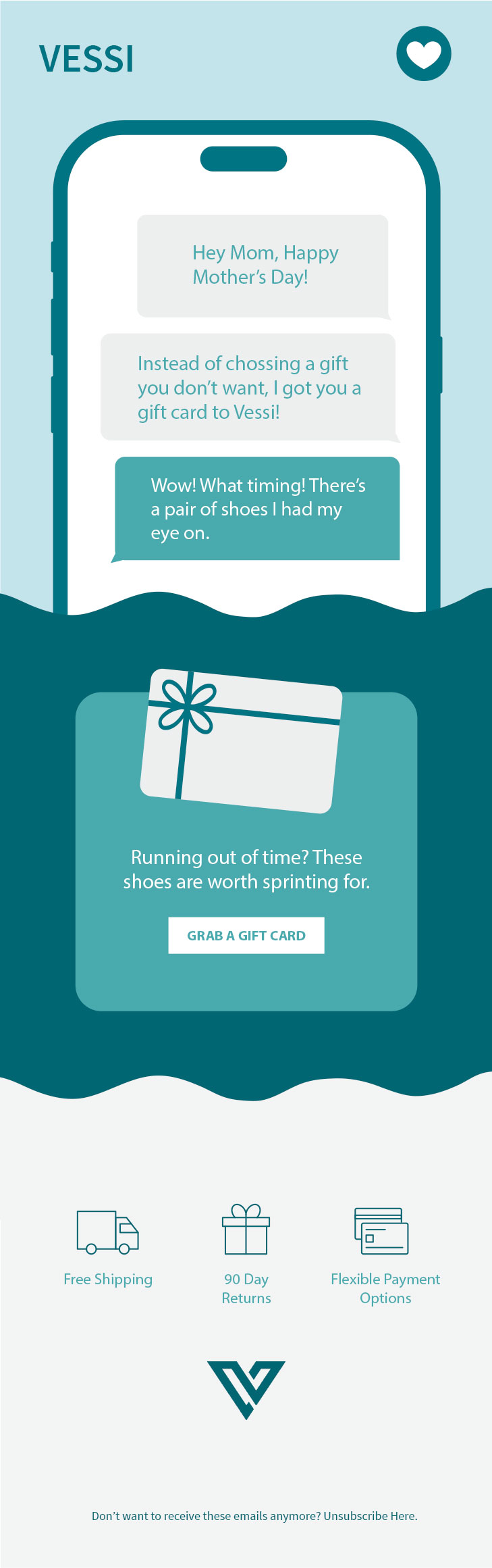
Behavioral trigger emails are one of the most effective ways to deliver personalized communication at exactly the right moment. Instead of sending the same message to every subscriber, these emails are triggered by specific customer actions such as browsing a product, abandoning a cart, or completing a purchase. Because the content is directly tied to recent behavior, it feels more relevant and timely. That relevance often leads to stronger engagement and higher conversion rates.
In today’s digital marketing environment, customers expect messages that make sense based on their actions. Trigger-based campaigns help businesses respond automatically and intelligently without relying on manual follow-up. Whether the goal is recovering sales, nurturing leads, or strengthening loyalty, behavioral emails can play a major role. They combine automation with personalization in a way that is both efficient and customer-friendly.
Responding to Customer Actions in Real Time
Behavioral emails are effective because they are based on what a customer has already done. If someone views a product page, leaves items in their cart, or signs up for a newsletter, that action provides an opportunity for follow-up. Instead of sending generic promotions, businesses can respond with content that reflects the subscriber’s immediate interests. This makes the message feel more useful and less intrusive.
Timing is a big part of what makes these emails successful. A cart abandonment email sent within a few hours is far more effective than one sent a week later. When businesses respond while the interest is still fresh, customers are more likely to return and complete the desired action. Real-time relevance helps marketing feel like a helpful nudge rather than random outreach.
Supporting the Customer Journey with Useful Content
Behavioral trigger emails are not only about driving immediate sales. They can also help guide customers through different stages of their journey with your brand. For example, after a customer makes a purchase, you can send a follow-up email with care instructions, helpful usage tips, or product recommendations. This adds value and keeps the relationship going after the sale.
These types of follow-up messages help customers feel supported rather than sold to. When the communication is useful and aligned with the customer’s needs, it builds trust and improves the overall experience. Over time, this kind of thoughtful automation can increase loyalty and encourage repeat business. Behavioral emails are most effective when they focus on relevance and value.

Using Trigger Data to Improve Future Campaigns
Behavioral emails also provide valuable insights into customer preferences and responses. By tracking which triggers perform best, businesses can learn more about what motivates their audience to click, purchase, or re-engage. This data can then be used to optimize future campaigns and strengthen broader marketing strategies. Trigger-based campaigns do more than automate communication — they help marketers learn what works.
For example, if abandoned cart emails consistently recover a strong percentage of sales, that may justify expanding those workflows with better timing or additional incentives. If post-purchase recommendation emails drive repeat orders, that insight can shape future automation planning. These campaigns become both a revenue tool and a learning tool. The more businesses analyze trigger performance, the more effective their marketing becomes.
Behavioral trigger emails help businesses communicate with customers in ways that feel timely, relevant, and personalized. By responding to specific actions, brands can deliver content that fits naturally into the customer journey and encourages meaningful engagement. These emails are not only efficient, but also highly effective at improving conversion rates and customer satisfaction.
When used strategically, trigger emails support everything from abandoned cart recovery to post-purchase nurturing. They combine the best of automation and personalization, making digital communication smarter and more responsive. Businesses that invest in behavioral email workflows can create stronger customer experiences and achieve better long-term results.