
Estimated reading time: 6 minutes
Holiday marketing is one of the most effective ways for businesses to increase engagement, boost sales, and strengthen customer relationships throughout the year. While many companies focus only on the traditional holiday season in November and December, there are dozens of holidays spread across the calendar that offer valuable marketing opportunities. From Valentine’s Day and Mother’s Day to Halloween and Black Friday, these events give businesses a natural reason to reach out and connect with their audience.
Today’s most successful businesses don’t rely on just one marketing channel. Instead, they combine email marketing and text message marketing (SMS) to create a multi-channel strategy that reaches customers where they are most likely to engage. Email allows businesses to share detailed content, special promotions, and visuals, while SMS delivers short, immediate messages that customers often see within minutes.
By combining these two channels, businesses can create holiday campaigns that are more visible, more engaging, and more effective. Below are the key strategies to help you build a successful holiday marketing approach using both email and text message marketing.
1. Introduction to Holiday Marketing
Holiday marketing involves creating themed campaigns around holidays, seasonal events, and cultural moments that resonate with your audience. These campaigns allow businesses to tap into heightened emotions, increased spending behavior, and a sense of celebration that naturally surrounds holidays.
Holiday email marketing is especially effective for delivering rich holiday content such as gift guides, special promotions, and festive newsletters. Holiday text message marketing complements this by providing quick reminders, flash sale alerts, and time-sensitive updates that drive immediate action. By combining both channels, businesses can ensure their holiday campaigns reach customers in multiple ways, reinforcing the message and increasing the chances of engagement and conversion.
2. Boosting Engagement During Holidays
Holidays naturally increase online activity and consumer engagement. During popular holidays such as Black Friday, Cyber Monday, and Christmas, customers actively search for deals, gifts, and seasonal experiences.
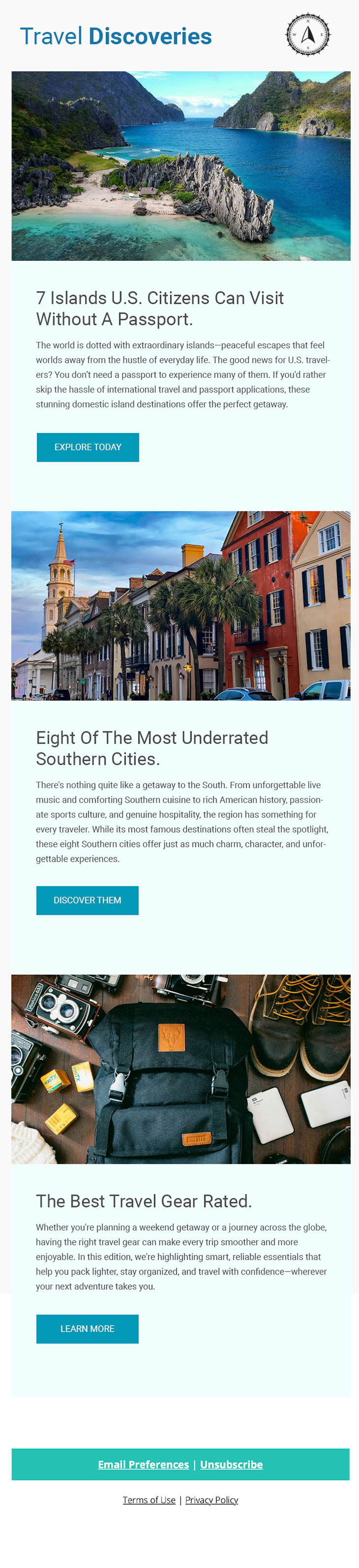
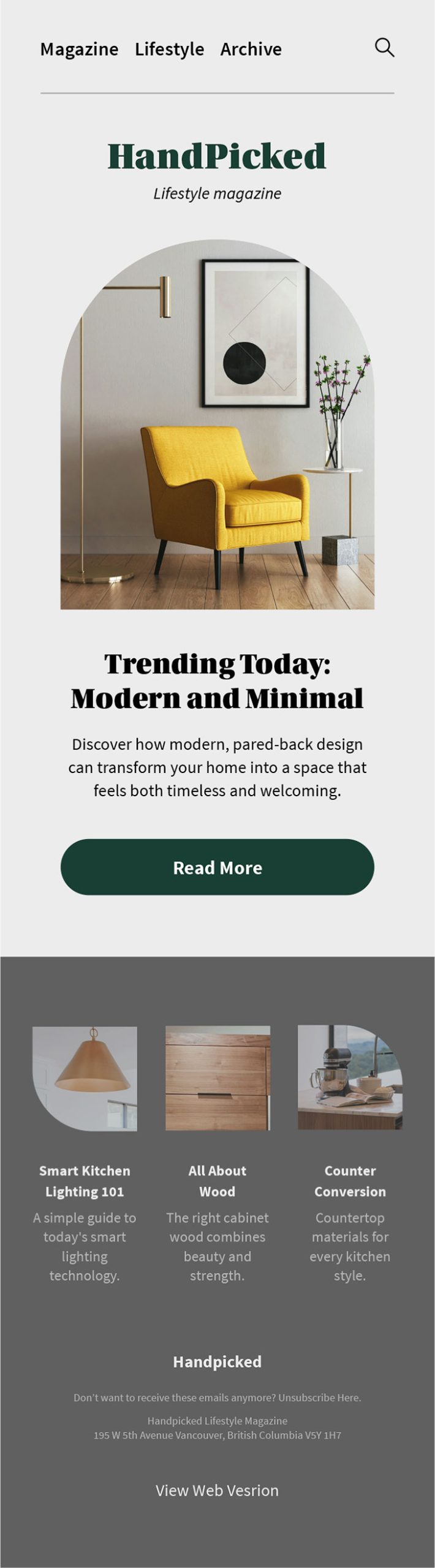
Email campaigns can capture attention with festive visuals, engaging subject lines, and interactive elements such as countdown timers or special offers. These emails provide the space to tell a story, highlight products, and create excitement around holiday promotions. Text message marketing can further increase engagement by delivering quick reminders about sales or limited-time offers. Because SMS messages are often opened within minutes, they are ideal for creating urgency and encouraging immediate responses.
3. Building Customer Loyalty During Holidays
Holiday campaigns provide an excellent opportunity to strengthen relationships with your customers. When businesses acknowledge holidays and share meaningful messages, they demonstrate appreciation and connection beyond simple promotions.
Email marketing allows businesses to send thoughtful holiday greetings, personalized thank-you messages, and exclusive offers for loyal customers. These messages help build long-term relationships and reinforce brand loyalty. Text message marketing can enhance these efforts by delivering quick messages of appreciation or early access to special promotions. For example, sending loyal customers a VIP holiday discount via SMS can make them feel recognized and valued.
4. Creating Compelling Holiday Email Content
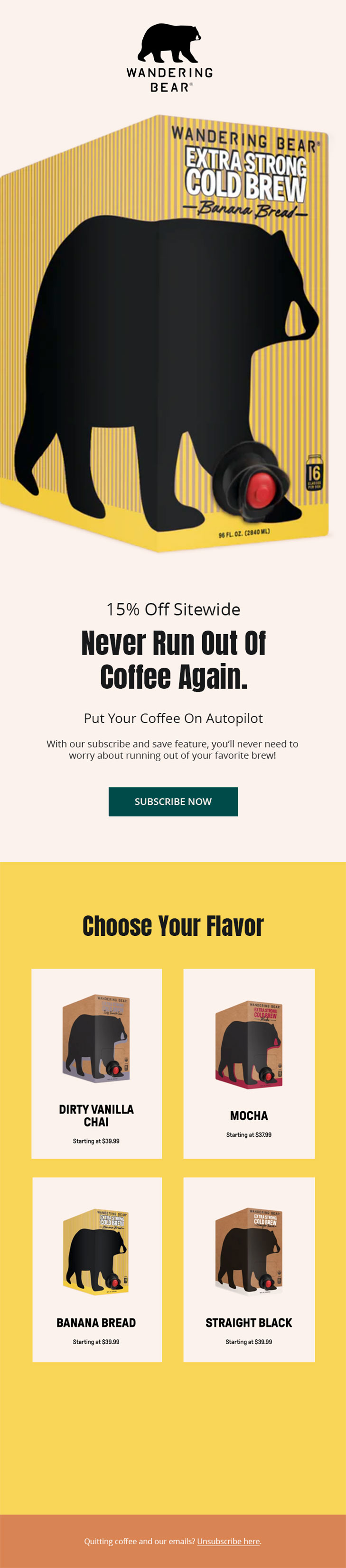
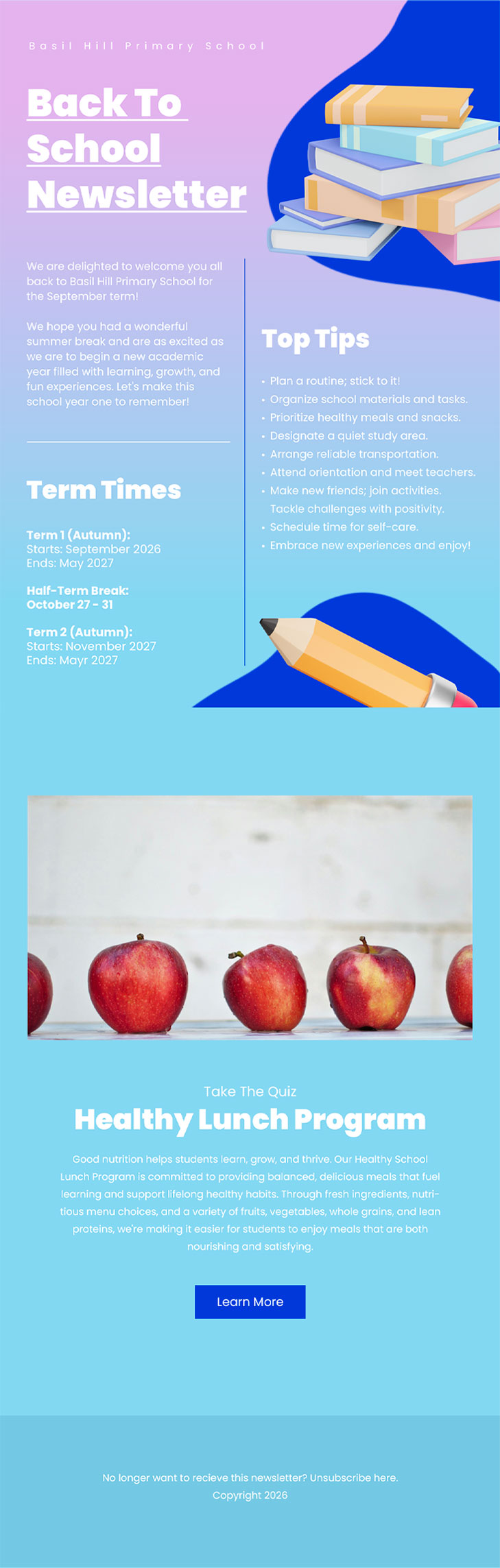
Holiday emails should capture the excitement and emotion of the season. Using festive designs, seasonal colors, and themed imagery helps grab attention and make your message feel timely and relevant. Successful holiday emails often include gift guides, curated product recommendations, limited-time promotions, or helpful seasonal content. Adding interactive elements such as GIFs, countdown timers, and clickable buttons can further increase engagement.
Personalization also plays a major role. Addressing subscribers by name, recommending products based on past purchases, or tailoring content to customer interests makes the email feel more personal and effective.

5. Using SMS for Holiday Promotions and Alerts
Holiday text message marketing is one of the most powerful tools for time-sensitive holiday promotions. Because SMS messages are delivered instantly and typically read quickly, they are ideal for flash sales, event reminders, and last-minute deals.
Businesses can use SMS to alert customers about limited-time discounts, shipping deadlines, or special holiday events. These short messages can drive immediate action, especially when combined with clear calls to action and links to landing pages. SMS also works well as a reminder tool. If customers receive a promotional email earlier in the day, a follow-up text message can reinforce the offer and encourage them to complete their purchase.
6. Timing Your Holiday Marketing Campaigns
Timing is critical when running holiday marketing campaigns. Planning ahead ensures your messages reach customers before major shopping periods and allows time to build anticipation. Creating a holiday marketing calendar can help businesses organize their campaigns throughout the year. Emails can be scheduled weeks in advance to introduce holiday offers, while text messages can be sent closer to the event to remind customers about deadlines or expiring promotions.
Combining email and SMS timing creates a powerful marketing sequence. For example, a detailed promotional email might be sent a week before a holiday sale, followed by a reminder text message on the final day of the promotion.
7. Personalization and Segmentation
Not every holiday campaign should go to every customer. Segmenting your audience based on demographics, purchase history, and engagement behavior allows you to deliver more relevant messages.
Email marketing platforms make it easy to personalize holiday campaigns by inserting subscriber names, recommending products, or targeting specific customer groups with tailored offers. SMS marketing can also benefit from segmentation. Sending targeted text messages to customers who have previously purchased similar products or engaged with past campaigns can significantly increase response rates.
8. Integrating Holiday Themes Across Channels
Consistency is key when running holiday marketing campaigns. Your email, SMS, website, and social media promotions should all share the same theme, messaging, and promotional offers.
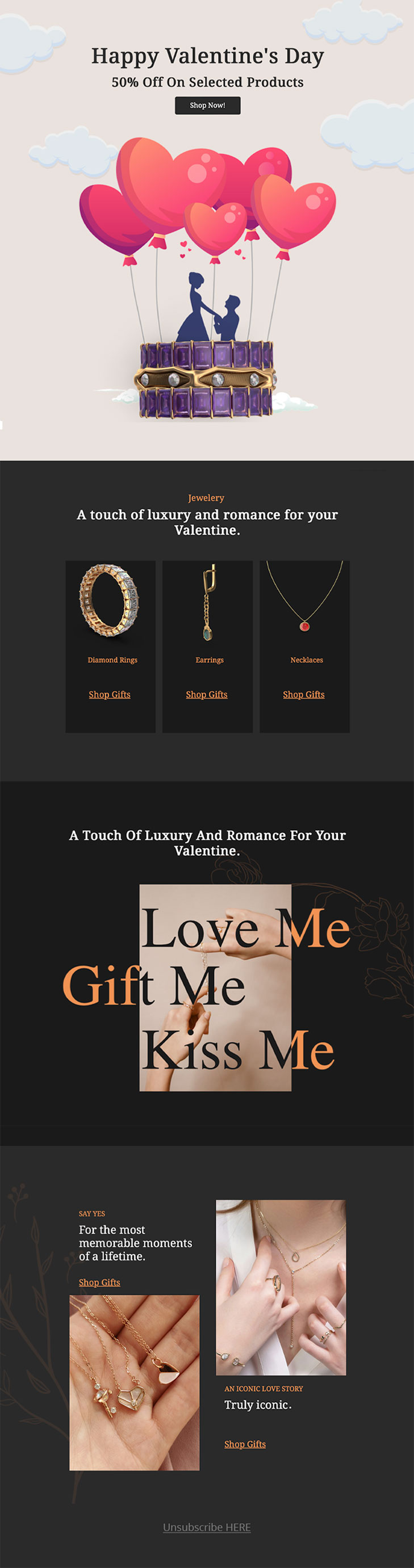
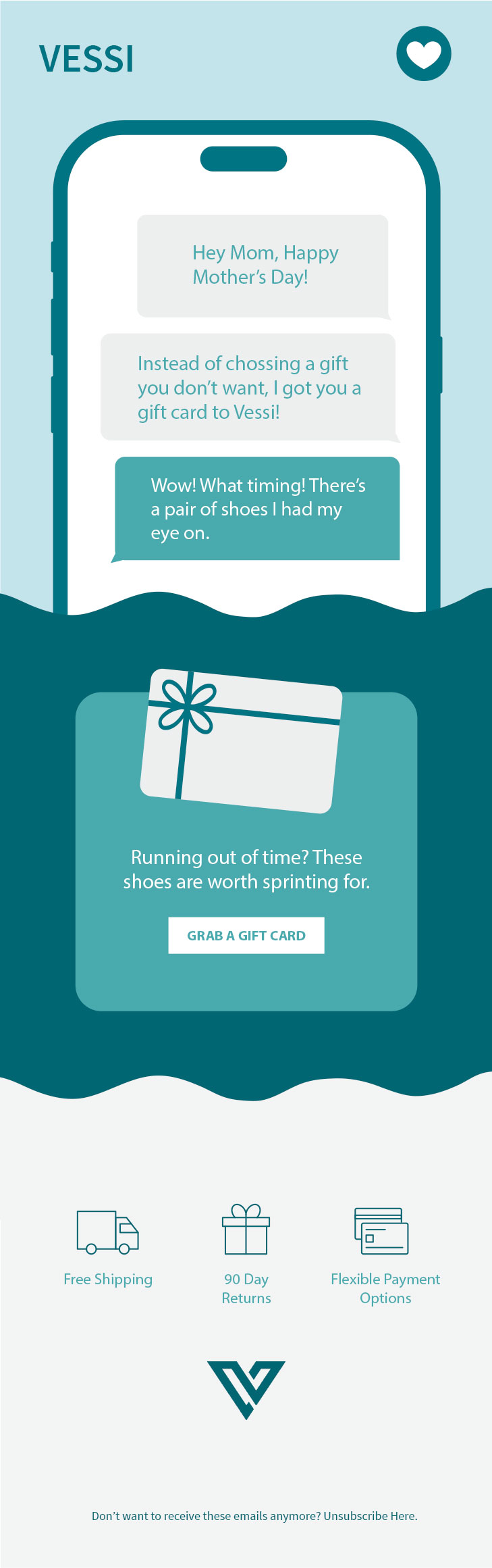
For example, if you are running a Valentine’s Day promotion, the same messaging and visuals should appear across all channels. An email campaign might introduce the promotion with detailed content, while SMS messages can remind customers about deadlines or exclusive discounts.
This unified approach strengthens brand recognition and creates a smoother customer experience across every touchpoint.
9. Analyzing Holiday Campaign Performance
Tracking performance is essential for improving future holiday campaigns. Email marketing metrics such as open rates, click-through rates, and conversions help businesses understand which messages resonate most with their audience. SMS campaigns can also be measured by delivery rates, click rates, and customer responses.
Comparing results across both channels can reveal valuable insights into customer behavior during different holidays. By analyzing these metrics, businesses can refine their strategies and focus on the holidays and campaigns that generate the best results.
In conclusion, sending holiday marketing campaigns is a must-do for businesses looking to increase engagement, strengthen customer relationships, and drive seasonal sales. By taking advantage of holidays throughout the year, businesses can create timely campaigns that connect with customers when they are most receptive.
The most effective strategies combine email marketing and text message marketing to reach audiences through multiple channels. Email provides rich content and storytelling opportunities, while SMS delivers fast, attention-grabbing reminders that encourage immediate action.
By planning ahead, personalizing messages, integrating campaigns across channels, and analyzing results, businesses can build a holiday marketing strategy that delivers consistent results year after year.
Businesses Should Market Around These Holidays:
• New Year’s
• Valentine’s Day
• St. Patrick’s Day
• Easter
• Mother’s Day
• Father’s Day
• Independence Day
• Back-to-School
• Halloween
• Thanksgiving
• Black Friday
• Cyber Monday
• Christmas