
Estimated reading time: 6 minutes
Holiday marketing is often associated with the busy November and December shopping season, but successful businesses know that opportunities exist throughout the entire year. Nearly every month includes holidays or seasonal events that create natural opportunities for marketing campaigns. When businesses plan ahead and align promotions with these moments, they can keep their brand visible and relevant year-round. A structured holiday marketing calendar helps ensure that no opportunity is missed.
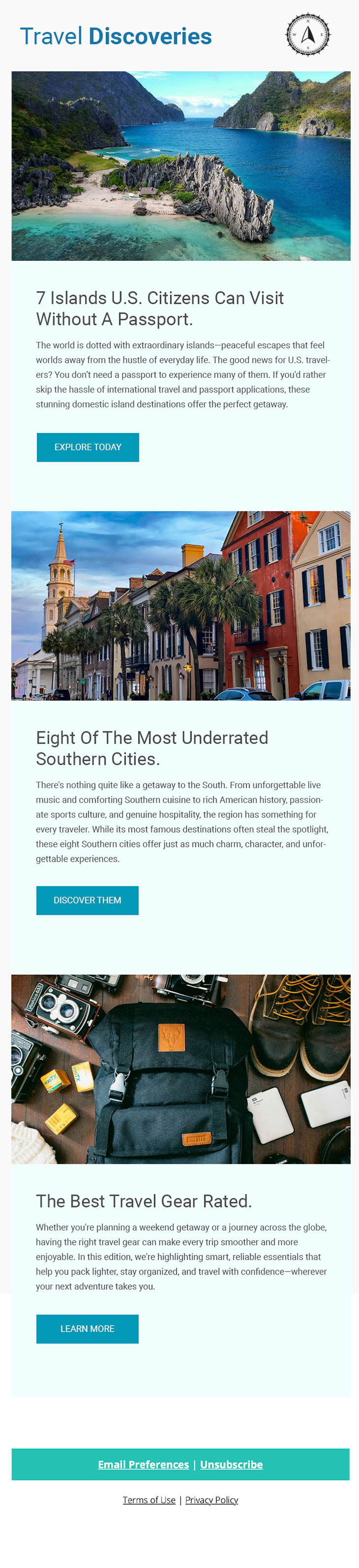
Email marketing and SMS marketing work especially well when combined with holiday promotions. Email allows businesses to deliver detailed content, gift guides, and promotional offers, while SMS messages provide timely reminders and urgent alerts. Together, these channels help businesses reach customers through multiple touchpoints during important seasonal moments. By following a full-year holiday marketing calendar, companies can build a consistent strategy that drives engagement and sales.
Why Every Business Needs a Holiday Marketing Calendar
A holiday marketing calendar helps businesses organize campaigns in advance and maintain consistent communication with customers. Instead of scrambling to create promotions at the last minute, marketers can plan content, promotions, and messaging well ahead of time. This preparation allows teams to develop more thoughtful and creative campaigns. Organized planning also reduces stress during busy marketing seasons.
Planning ahead also ensures that marketing efforts remain consistent throughout the year. Businesses that only promote during major holidays may miss valuable opportunities to connect with customers during smaller seasonal moments. By identifying relevant holidays throughout the year, marketers can maintain regular engagement. This consistency helps build stronger brand recognition and customer loyalty.
Winter Holiday Marketing Opportunities (January – March)
The year begins with several holidays that are perfect for marketing campaigns. New Year’s promotions often focus on fresh starts, personal goals, and new opportunities. Businesses can promote products or services that help customers achieve their resolutions or improve their routines. These campaigns often perform well because customers are motivated to start the year positively.
Valentine’s Day offers another strong marketing opportunity, especially for retailers, restaurants, and service-based businesses. Gift guides, romantic experiences, and special promotions are common during this holiday. Email campaigns can showcase product bundles, while SMS messages can remind customers about limited-time offers. March also brings St. Patrick’s Day and the beginning of spring promotions, creating additional engagement opportunities.
Spring Holiday Marketing Opportunities (April – June)
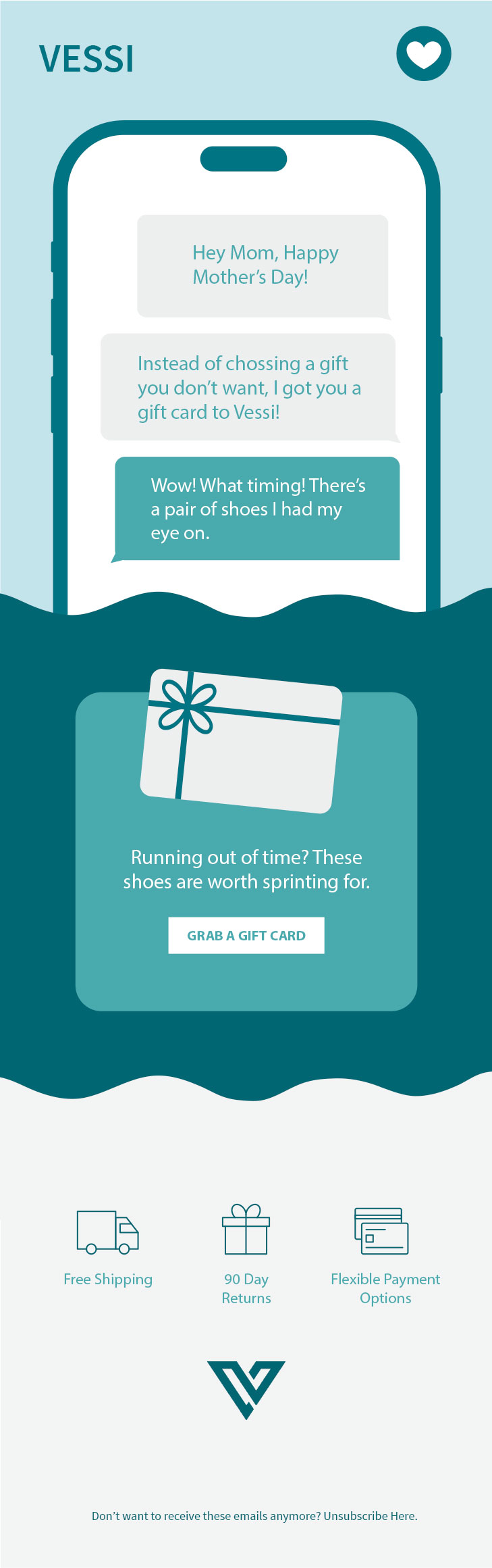
Spring holidays create excellent opportunities for seasonal promotions and themed campaigns. Holidays like Easter, Earth Day, and Mother’s Day provide meaningful moments for businesses to connect with customers. For example, Mother’s Day campaigns often focus on thoughtful gifts and appreciation messages. Businesses can highlight products or experiences that help customers celebrate important people in their lives.
Memorial Day and early summer promotions also encourage increased consumer activity. These holidays often align with travel, outdoor activities, and seasonal sales. Email marketing campaigns can introduce promotional events, while SMS reminders can alert customers about sales ending soon. Seasonal messaging during spring helps businesses transition smoothly into the busy summer months.
Summer Holiday Marketing Opportunities (July – August)
Summer holidays often revolve around celebrations, travel, and outdoor activities. Independence Day is a popular marketing moment that businesses often use for seasonal promotions and sales. Campaigns may include patriotic themes, summer discounts, or special events. These promotions help maintain engagement during the mid-year period.
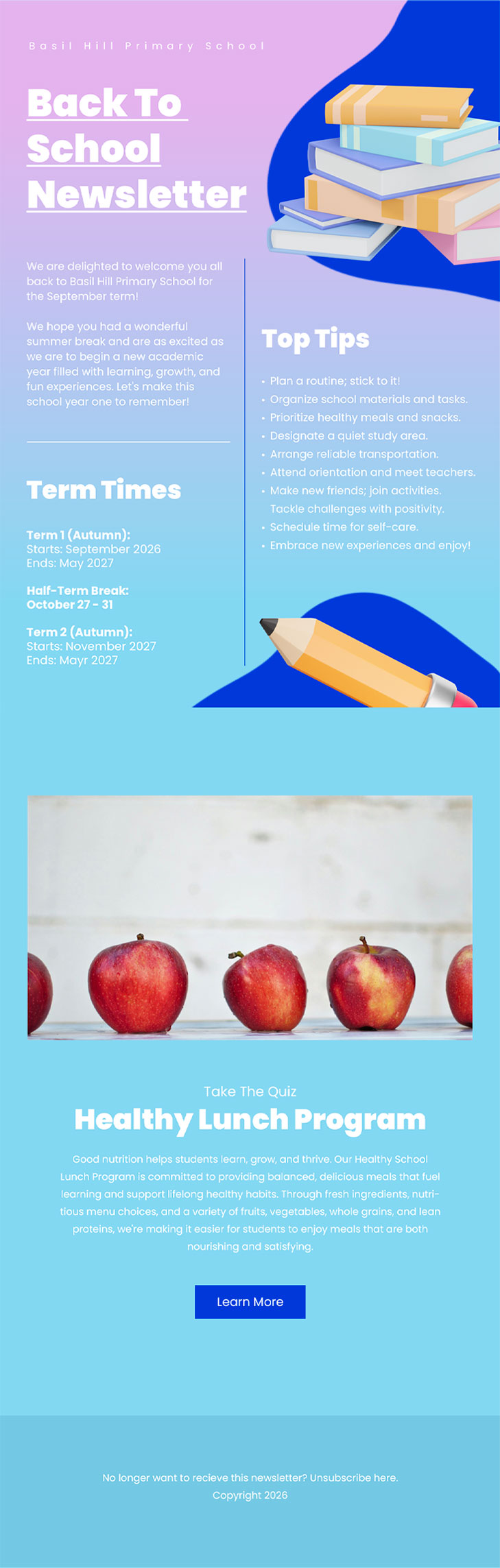
Late summer also provides marketing opportunities through back-to-school campaigns. Retailers often promote school supplies, clothing, or organizational tools during this time. Service-based businesses can also create content related to preparation and planning for the upcoming season. These campaigns help maintain marketing momentum as businesses prepare for fall.
Fall Holiday Marketing Opportunities (September – October)
Fall marketing campaigns often focus on seasonal transitions and upcoming celebrations. Labor Day promotions often signal the end of summer sales and the start of fall product launches. Businesses can use this time to introduce new products or services that align with seasonal changes. These campaigns help maintain customer engagement as the year progresses.
Halloween provides one of the most creative marketing opportunities of the year. Businesses often use playful designs, themed promotions, and limited-edition products to capture attention. Email campaigns can feature festive visuals, while SMS reminders can highlight flash sales or last-minute offers. Halloween campaigns are often highly shareable and engaging.
The Peak Holiday Marketing Season (November – December)
The final months of the year represent the most important marketing period for many businesses. Major events such as Black Friday, Cyber Monday, and Christmas generate significant consumer spending. Businesses often launch multi-week campaigns that include gift guides, promotions, and exclusive deals. These campaigns require careful planning and coordination.
Email marketing plays a central role during the holiday shopping season by providing detailed promotional content. SMS marketing can reinforce these campaigns by sending reminders about limited-time offers and shipping deadlines. The combination of email and SMS helps ensure that customers do not miss important deals. Businesses that prepare early for these holidays often achieve the best results.
Integrating Email and SMS into Your Holiday Marketing Calendar
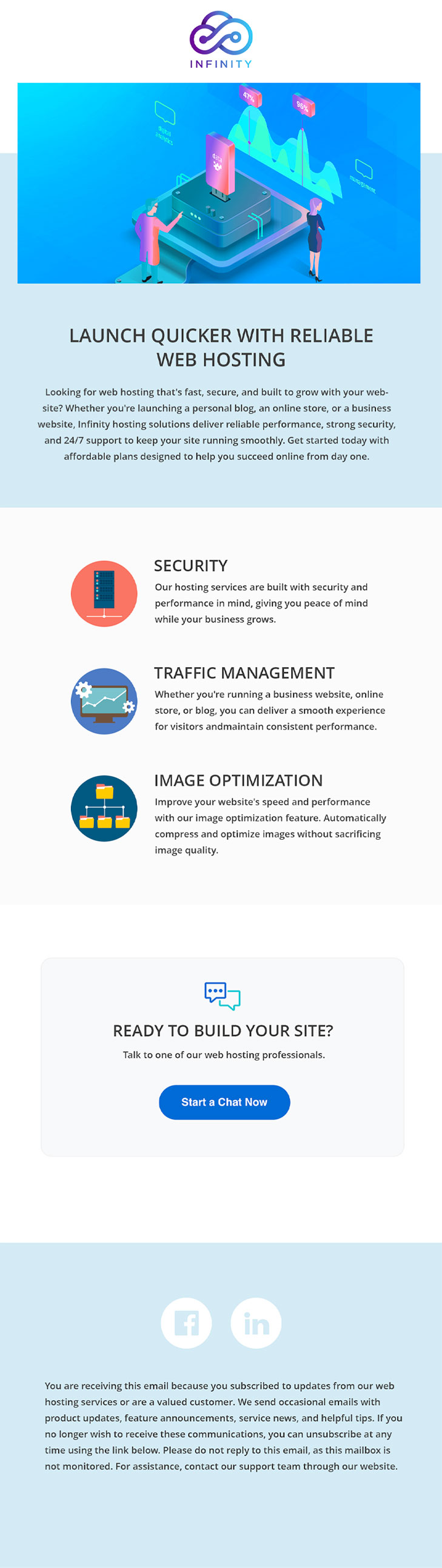
A successful holiday marketing calendar combines multiple communication channels. Email campaigns allow businesses to provide detailed product information, seasonal inspiration, and promotional offers. SMS messages can reinforce these campaigns by delivering quick reminders and urgent alerts. Together, these channels create a powerful multi-channel marketing strategy.
For example, a business might send an email introducing a holiday promotion, followed by an SMS reminder the day before the promotion ends. This approach ensures that customers receive the message even if they miss one channel. Coordinating email and SMS campaigns helps maximize visibility and engagement. Multi-channel marketing is especially effective during busy holiday seasons.
Planning Your Holiday Marketing Campaigns in Advance
Successful holiday marketing requires careful planning and preparation. Businesses should begin building their marketing calendar months in advance to ensure that campaigns are ready on time. Planning early allows marketers to design creative content, prepare promotions, and schedule campaigns strategically. Early preparation also allows time for testing and optimization.
A well-organized calendar should include campaign themes, promotional offers, and scheduled send dates. Businesses can also plan supporting content such as blog posts, social media campaigns, and website promotions. Coordinating these efforts ensures a consistent message across all marketing channels. Preparation leads to stronger and more effective campaigns.
A full-year holiday marketing calendar helps businesses stay organized, consistent, and proactive in their marketing efforts. By planning campaigns around seasonal events and holidays throughout the year, companies can maintain ongoing engagement with their audience. These campaigns provide natural opportunities to promote products, share valuable content, and strengthen customer relationships.
When businesses combine email marketing and SMS marketing within their holiday calendar, they create a powerful multi-channel strategy. Email campaigns deliver detailed content and storytelling, while SMS messages provide quick reminders and urgent alerts. Together, these channels help businesses capture attention during key seasonal moments and maximize the impact of their marketing efforts.